 Indonesia
 English

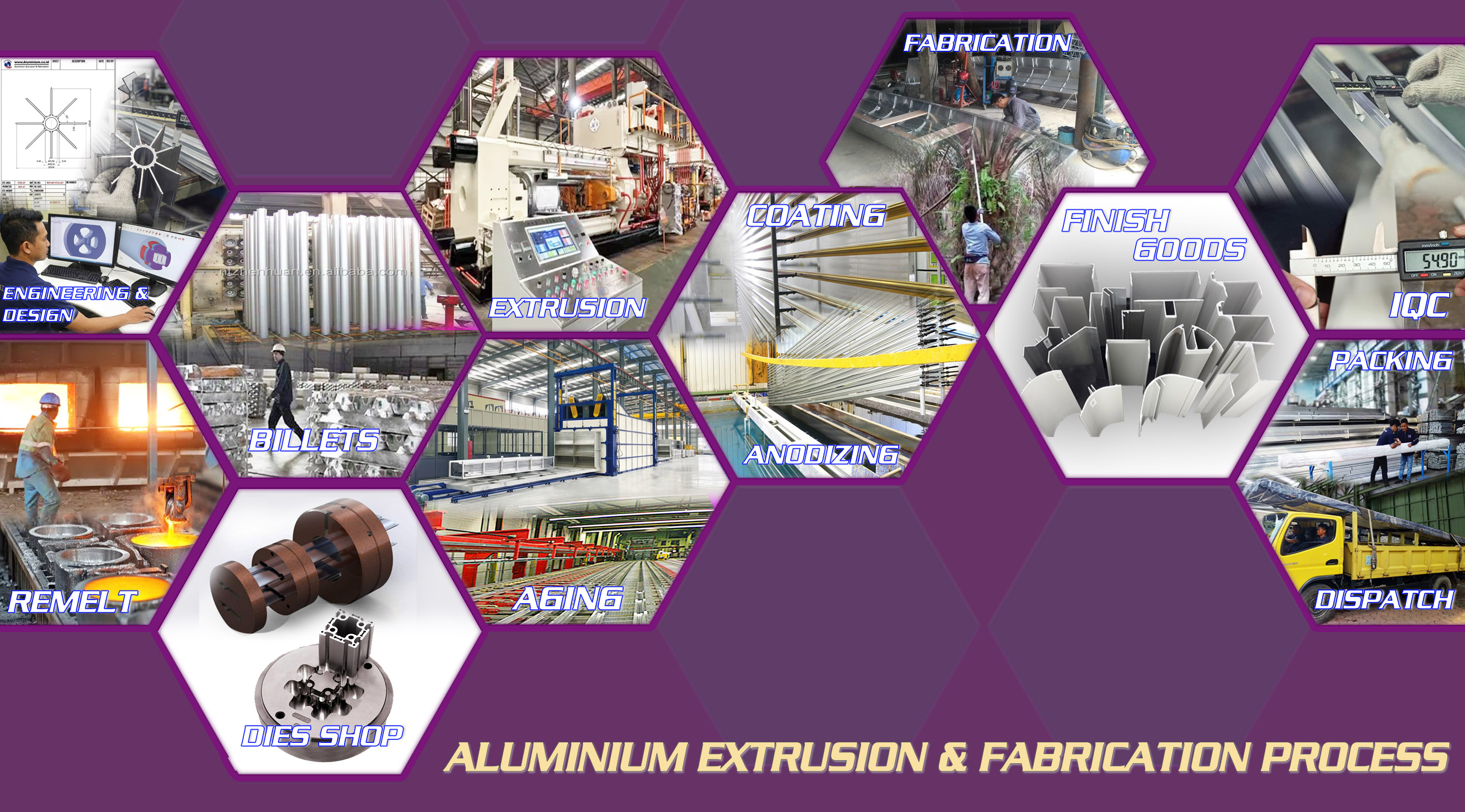

Aluminum Extrusion & Fabrication Process
Great Products Begin with Smart Engineering
Engineering & Design
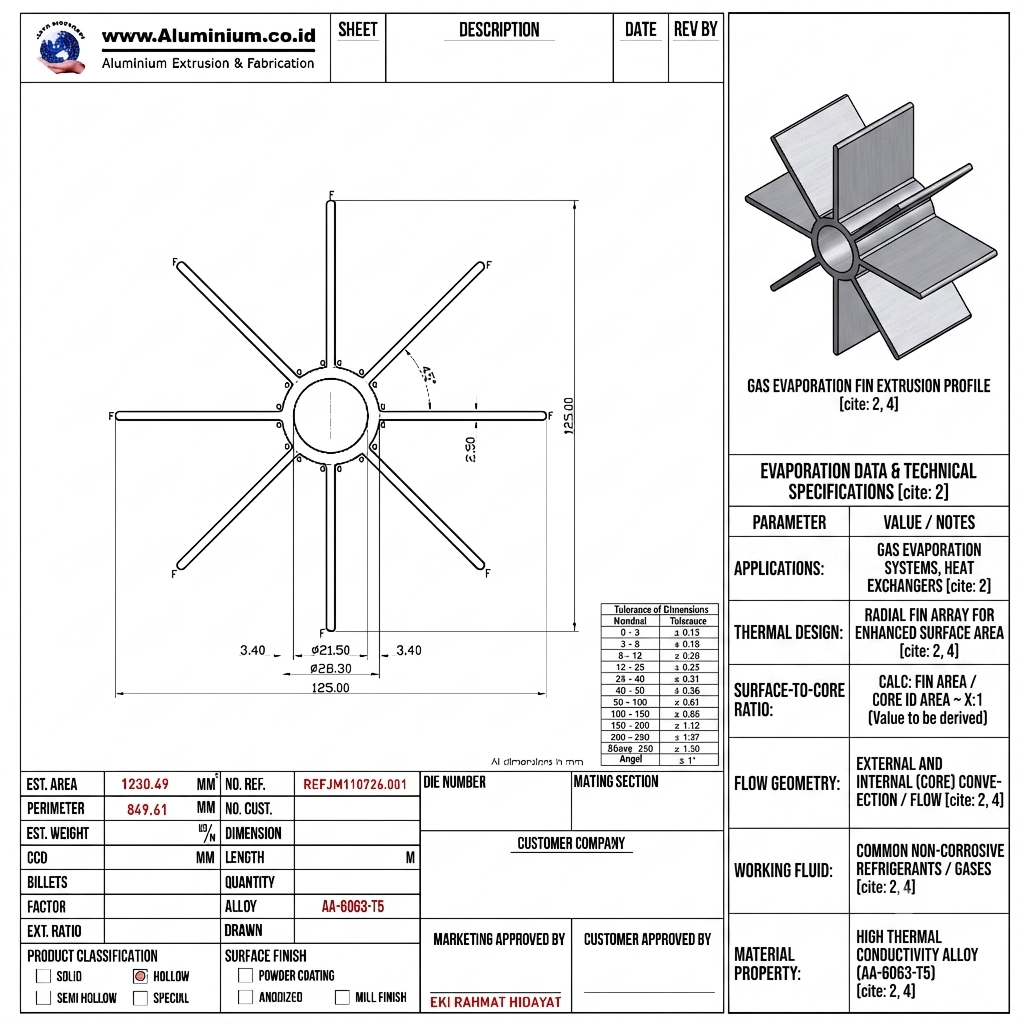
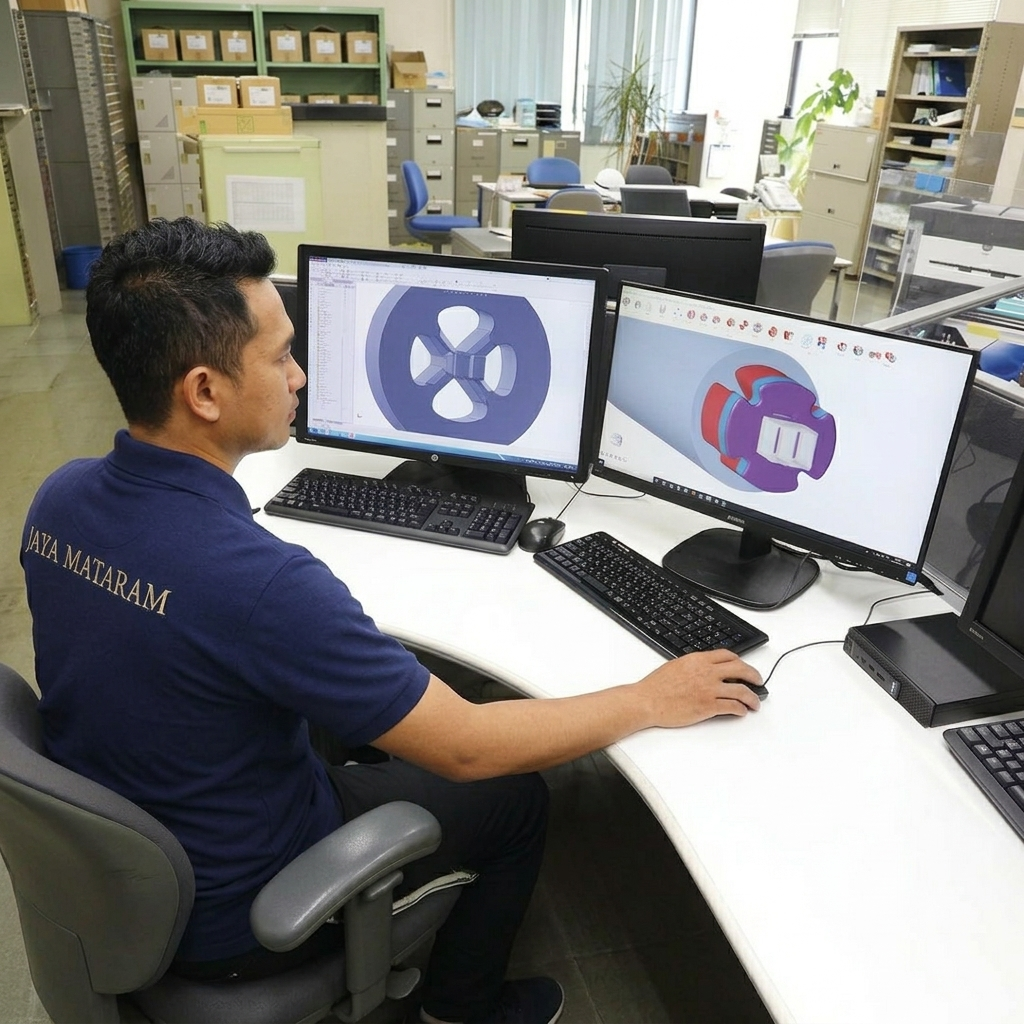
Every aluminium extrusion and aluminium fabrication project begins with the Engineering & Design phase, where customer requirements are translated into technical drawings, aluminium profile designs, and manufacturing-ready product specifications. During this stage, our engineering team evaluates profile geometry, dimensions, functional requirements, tolerances, alloy selection, surface finishing, and application requirements to ensure each design is optimized for efficient manufacturing and complies with quality standards.
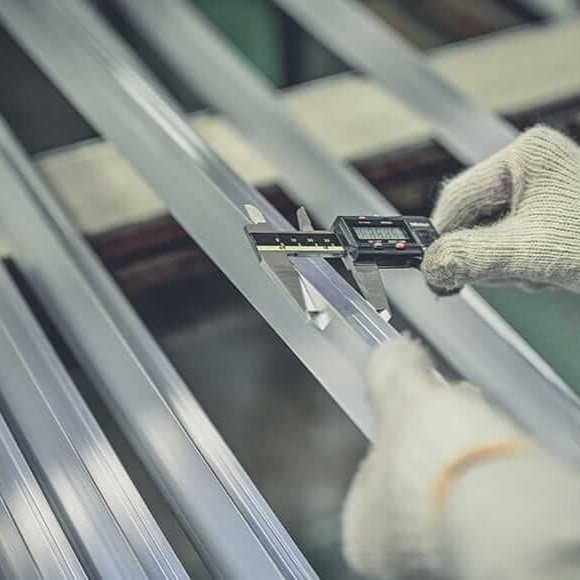
Before production begins, a comprehensive dimensional verification process is carried out to confirm that all dimensions, tolerances, and technical specifications meet the required design criteria. This verification ensures design accuracy, reduces the risk of manufacturing deviations, and helps deliver aluminium profiles with consistent precision and reliable quality.
The approved engineering data then serves as the foundation for extrusion die design, material selection, and production planning throughout the manufacturing process. With accurate engineering and thorough planning, manufacturing operations can be executed more efficiently, resulting in high-quality aluminium products that consistently meet customer specifications, performance requirements, and application needs.
Melting Process
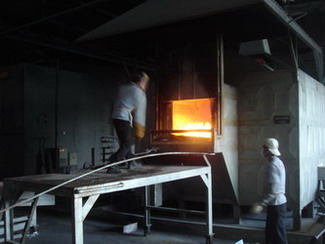
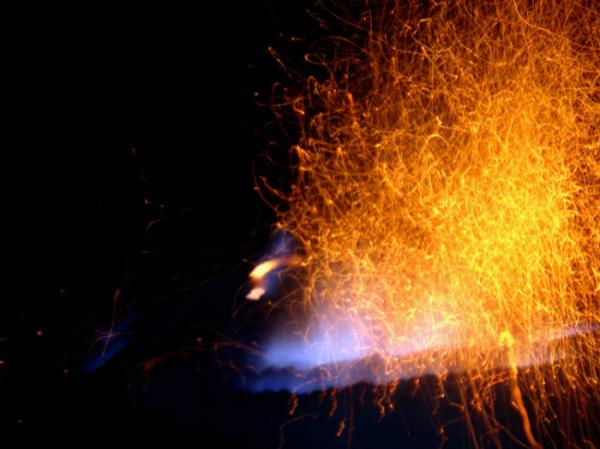
The Melting Process is the first stage of aluminum extrusion manufacturing and plays a critical role in determining material quality before it enters subsequent production processes. Carefully selected raw materials—including primary aluminum ingots (pig ingots), recycled aluminum scrap, and alloying elements such as Magnesium (Mg), Manganese (Mn), and Silicon (Si)—are melted according to the required alloy composition.
The molten aluminum is processed under carefully controlled conditions to produce aluminum billets in various sizes, specifications, and mechanical properties that meet established quality standards. These billets become the primary raw material for the aluminum extrusion process.
Aluminum Billets
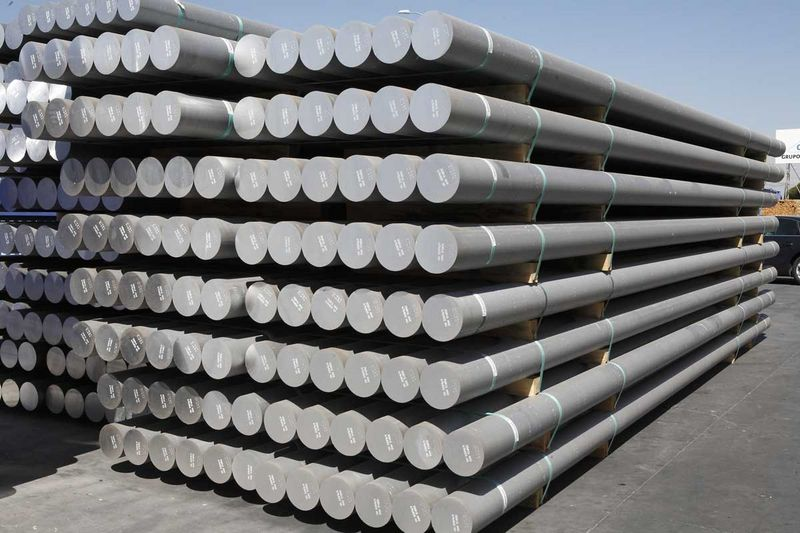
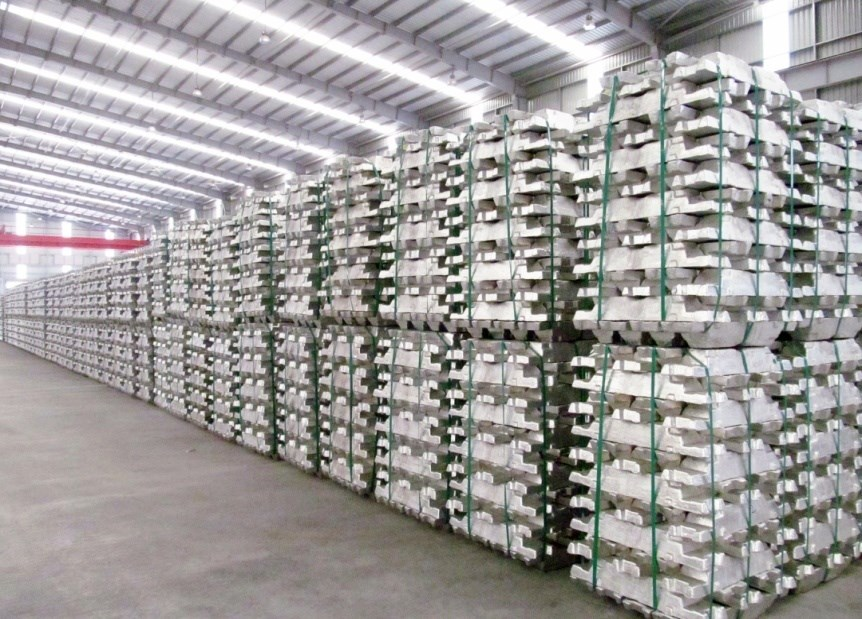
Aluminum billets are produced through the melting process and serve as the primary raw material for aluminum extrusion. We manufacture Alloy 6063 and Alloy 6061 billets, selected according to application requirements, mechanical properties, and the specifications of the final product. Billet quality is one of the most critical factors in determining the overall quality of the finished aluminum extrusion profiles.
Before entering the extrusion process, every billet batch undergoes chemical composition analysis using a spectrometer to verify that each alloying element complies with established quality standards. This inspection ensures material consistency, allowing every billet to meet the required alloy composition and product specifications.
The selected alloy determines the material's strength, corrosion resistance, finishing characteristics, mechanical performance, and final application. We utilize the two most widely used alloys in the aluminum extrusion industry: Alloy 6063 and Alloy 6061.
Alloy 6063
Alloy 6063 is the most widely used aluminum alloy for extrusion applications due to its excellent surface finish, superior corrosion resistance, outstanding formability, and exceptional suitability for both anodizing and powder coating. These characteristics make Alloy 6063 the preferred choice for architectural applications and construction projects that require premium surface quality and aesthetic appearance.
Typical Applications: Architectural aluminum profiles, aluminum doors and window frames, curtain wall systems, aluminum composite systems, electronic components, industrial and engineering products, general-purpose aluminum applications.
Alloy 6061
Alloy 6061 offers significantly higher structural strength and mechanical properties than Alloy 6063. The most common temper designation is T6, indicating that the material has undergone solution heat treatment followed by artificial aging to improve strength, hardness, and resistance to mechanical loading. This alloy is widely used in applications requiring superior structural performance and long-term durability.
Typical Applications: Oil palm harvesting poles, bicycle frames, machinery components, industrial structures, engineering and fabricated products, heavy-duty structural components.
Aluminum Extrusion Dies
Extrusion dies are engineered and manufactured to meet the specific design requirements and technical specifications of each customer. Precision die design is essential because it directly influences the profile geometry, dimensional accuracy, surface finish, and overall quality of the finished aluminum extrusion.
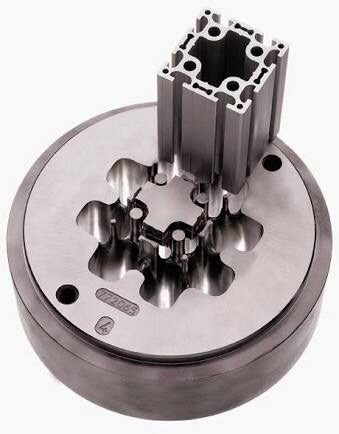
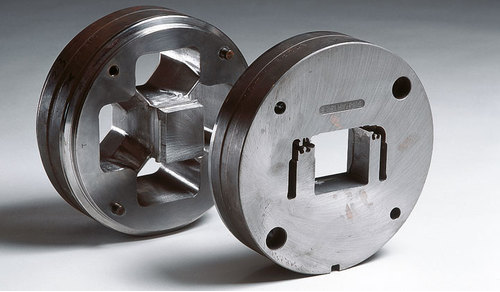
Each die undergoes regular inspection, maintenance, and refurbishment to ensure consistent performance throughout production. Preventive maintenance helps maintain dimensional accuracy, extend die service life, and ensure that every extrusion profile consistently meets established quality standards and specified manufacturing tolerances.
The cost of manufacturing an extrusion die depends on several factors, including profile complexity, cross-sectional dimensions, overall size, and technical product requirements. For new profile development or custom aluminum extrusion projects, please contact us at info@aluminium.co.id for a complimentary technical consultation.
Aluminum Extrusion Process
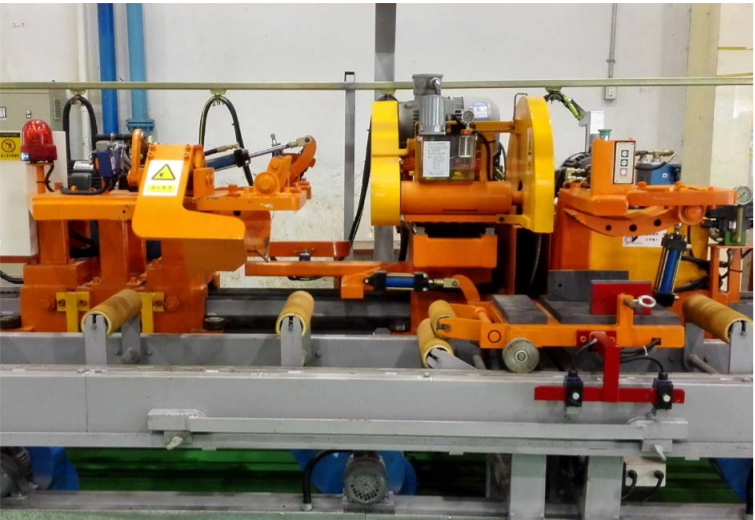
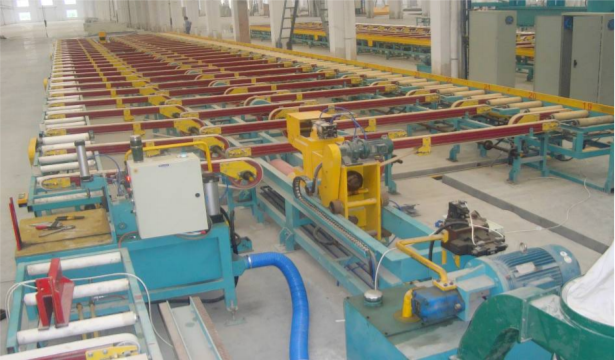
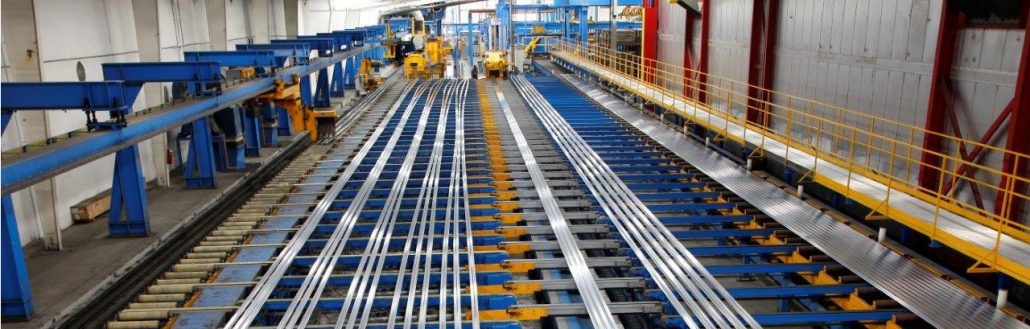
The aluminum extrusion process can be compared to squeezing toothpaste from a tube, where the material is forced through a precisely engineered opening to produce a continuous profile with a consistent cross-sectional shape.
- 01 Die Preparation — A high-strength alloy steel extrusion die is precision-machined using advanced CNC equipment according to the customer's approved profile design and engineering specifications.
- 02 Billet Heating — Cylindrical aluminum billets are preheated in a furnace to approximately 400–500°C (752–932°F). This controlled heating process softens the material sufficiently for extrusion while maintaining its solid state without reaching the melting point.
- 03 Extrusion Press — The preheated billet is loaded into the extrusion press container and subjected to high hydraulic pressure by the ram. The softened aluminum is forced through the precision-engineered extrusion die, producing a continuous aluminum profile with the required cross-sectional geometry.
- 04 Quenching — Immediately after exiting the extrusion die, the aluminum profile undergoes controlled cooling using air or water quenching. This process stabilizes the material's microstructure and prepares it for the subsequent stretching operation.
- 05 Stretching — Once cooled, the extrusion profile is mechanically stretched using a stretching machine to eliminate residual internal stresses, improve straightness, and ensure dimensional accuracy before further processing.
- 06 Initial Sawing — The continuous aluminum profile is cut into standard production lengths, typically around 6 meters (20 feet), using a precision circular saw. This operation facilitates material handling, inspection, and subsequent manufacturing processes.
Age Hardening (Aging)
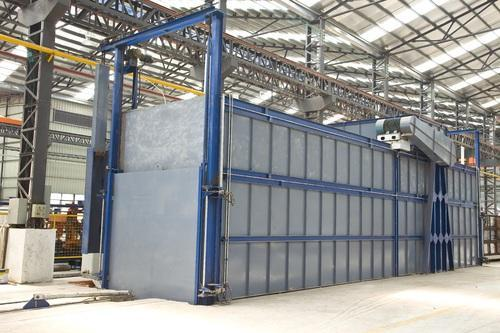
Age hardening (aging) is a controlled heat treatment process performed on extruded aluminum profiles to increase their strength, hardness, and overall mechanical properties. This process is carried out after extrusion to ensure that each aluminum profile achieves the required temper and mechanical performance for its intended application.
The aging process is typically performed at temperatures ranging from 225°F to 350°F (107°C to 177°C) for approximately 5 to 36 hours, depending on the alloy grade, profile thickness, and production volume. Both temperature and processing time are carefully controlled to ensure uniform mechanical properties and consistent product quality throughout every production batch.
Aluminum profiles are heat-treated according to the specified temper designation required by the customer or product specification, including:
- T5: 11–13 Webster Hardness
- T6: 14–16 Webster Hardness
Through a properly controlled aging process, aluminum extrusion profiles achieve improved structural strength, dimensional stability, hardness, and long-term mechanical performance. Once the required temper has been achieved, the profiles are ready for fabrication and surface finishing according to the final product requirements.
Fabrication & Assembly
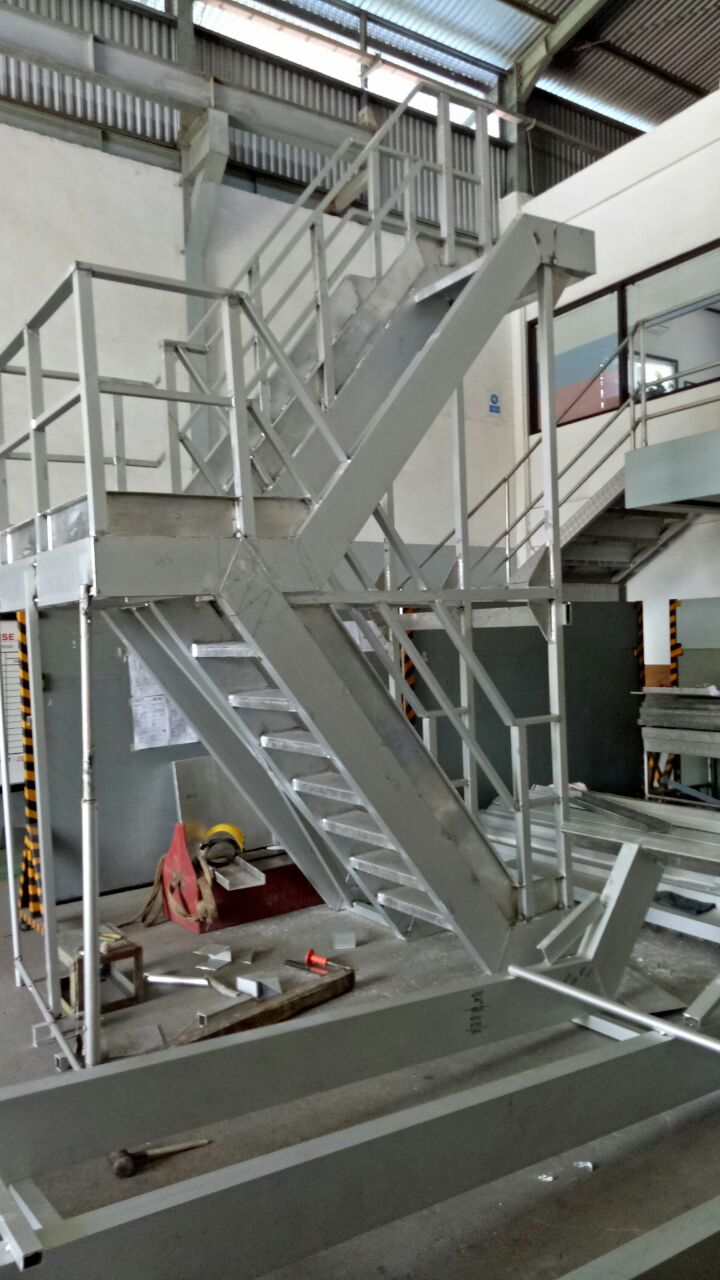
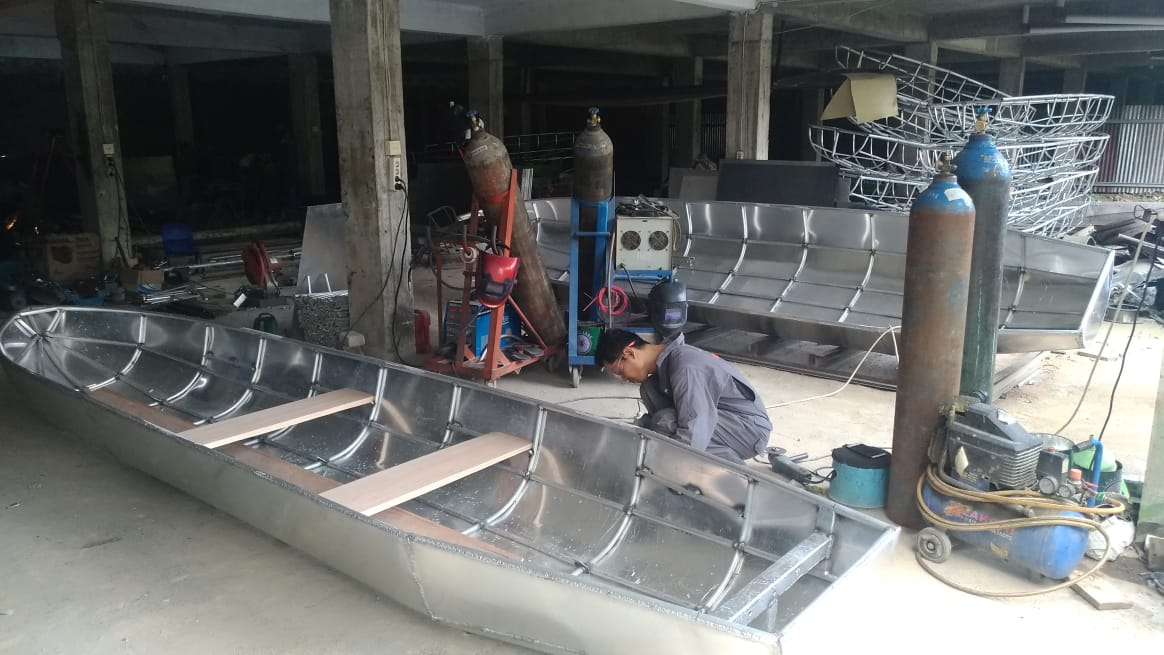
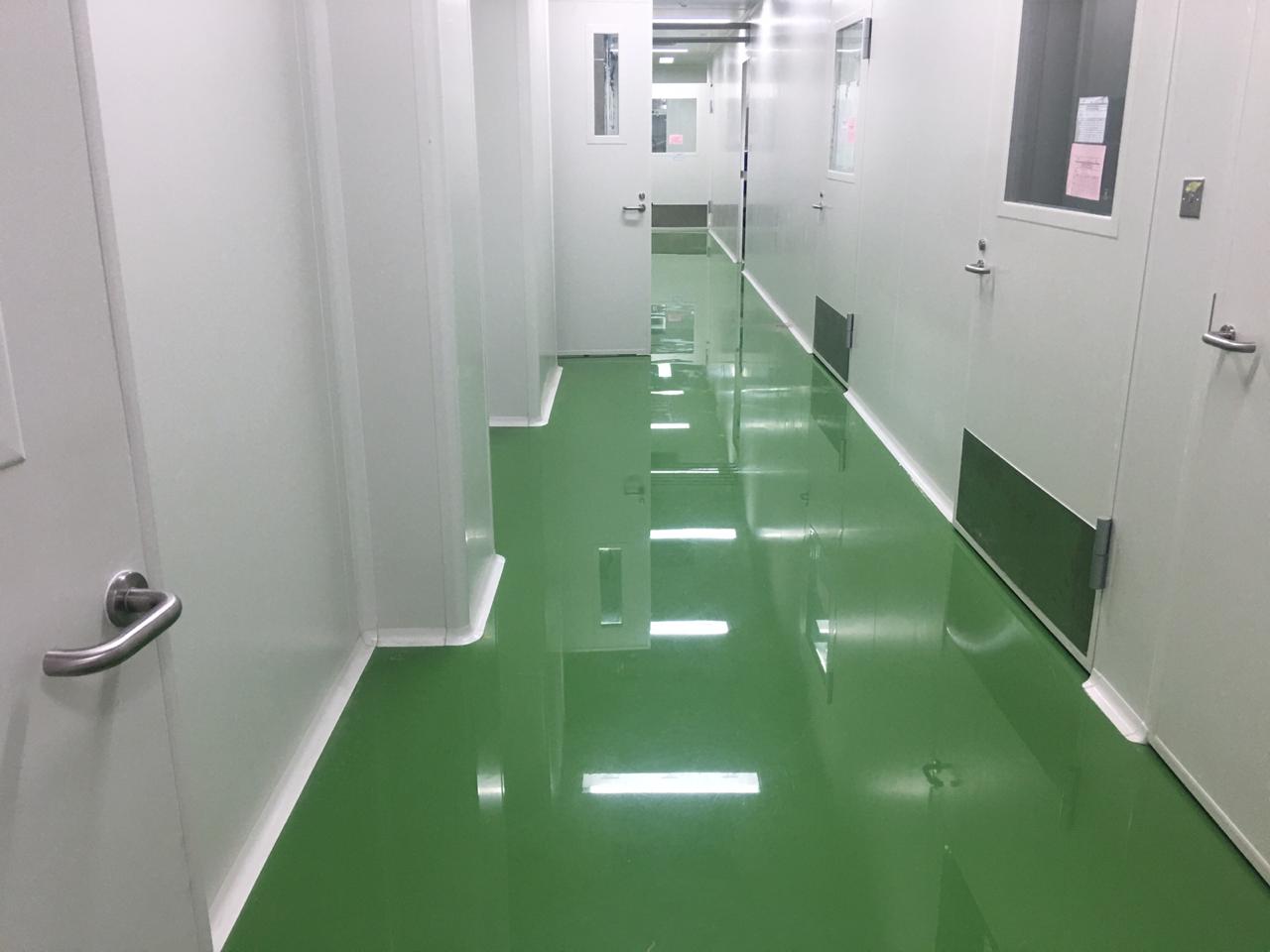
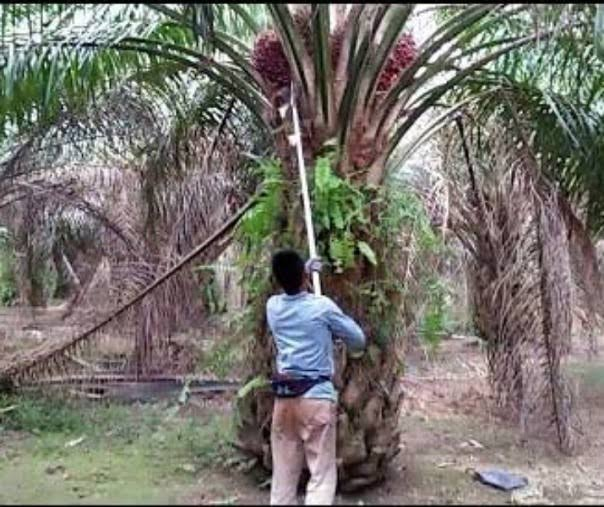
Once the aluminum extrusion profiles have achieved the required mechanical properties, they proceed to the fabrication stage, where straight extrusion profiles are transformed into finished products tailored to the customer's design and application requirements.
- Precision Cutting — Extrusion profiles are cut to their final dimensions using precision miter saws or CNC sawing machines, ensuring tight dimensional tolerances and consistent accuracy according to the approved engineering drawings.
- Drilling & Hole Processing — Holes for bolts, screws, fasteners, cable routing, and assembly components are produced using automated drilling equipment or precision punching machines to meet the required assembly specifications.
- CNC Machining — Advanced CNC milling machines and CNC routers are used to create precision slots, pockets, grooves, complex contours, and other machined features required for functional or structural applications.
- Bending — Straight aluminum profiles are formed into curves or specific angles using roll bending or stretch bending techniques while maintaining the material's structural integrity and dimensional accuracy.
- Joining & Welding — Individual aluminum components are assembled using specialized joining methods, including TIG welding, MIG welding, mechanical fasteners such as bolts, screws, rivets, and high-performance industrial adhesives, depending on the product design and application requirements.
Surface Finishing
Surface finishing enhances both the appearance and long-term durability of aluminum extrusion profiles. Depending on the intended application and environmental conditions, several finishing options are available to improve corrosion resistance, wear resistance, and overall aesthetic quality.
Anodizing
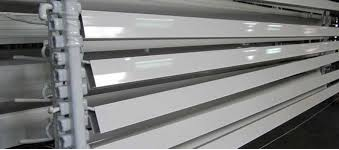
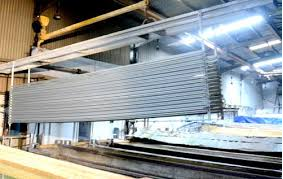
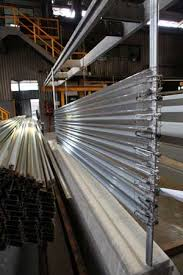
Anodizing is an electrochemical surface treatment process that forms a durable and protective oxide layer on the surface of aluminum extrusion profiles. This oxide layer seals the natural pores of the aluminum, significantly improving its resistance to corrosion, abrasion, weathering, and color fading while extending the product's service life. In addition to providing superior protection, anodizing produces a clean, uniform, and high-quality architectural finish.
The thickness of the anodized coating is selected according to the intended application, service environment, and required level of protection. Generally, thicker anodized coatings provide greater resistance to corrosion, abrasion, and long-term outdoor exposure. Recommended anodizing thickness:
- 10 Microns (INCA Quality) — Interior. Recommended for interior applications or environments that are not directly exposed to sunlight and harsh weather conditions. This coating provides reliable protection against light abrasion and corrosion while requiring minimal maintenance.
- 18 Microns — Exterior. Recommended for exterior architectural applications such as building facades, aluminum doors, window frames, and curtain wall systems. This coating offers enhanced resistance to abrasion, corrosion, rain, and ultraviolet (UV) exposure while providing a smooth surface that is easy to clean.
- 22 Microns — Heavy Industrial. Recommended for demanding industrial environments and applications requiring maximum corrosion protection. This coating provides superior abrasion resistance, long-term corrosion protection, and exceptional surface durability, ensuring reliable performance even under severe operating conditions.
Powder Coating
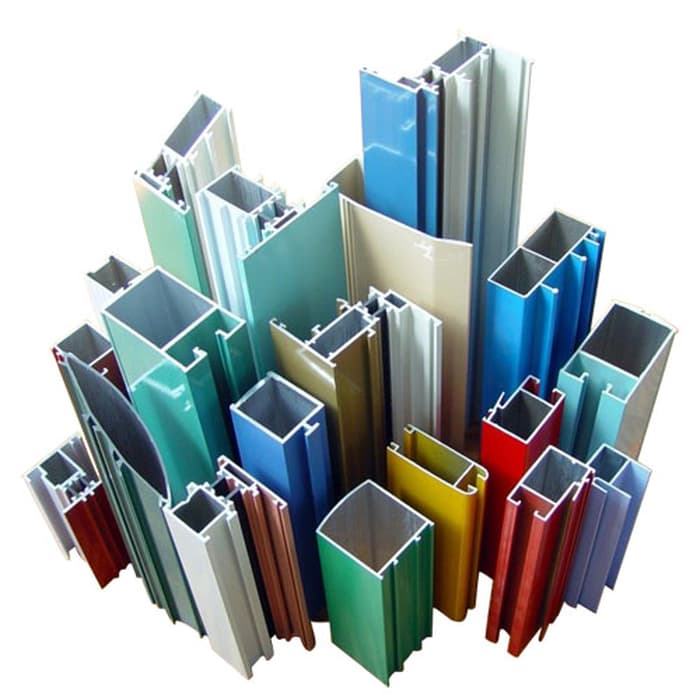
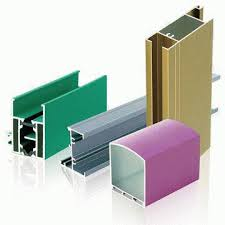
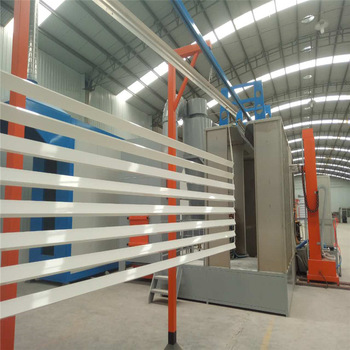
Powder coating is a surface finishing process in which a specially formulated thermoset powder coating is electrostatically applied to aluminum extrusion profiles. The charged powder particles adhere uniformly to the aluminum surface before the coated profiles are cured in a temperature-controlled oven. During curing, the powder melts, flows, chemically cross-links, and forms a durable coating with excellent adhesion and long-lasting performance.
In addition to providing an attractive and uniform appearance, powder coating significantly improves resistance to corrosion, abrasion, weathering, and ultraviolet (UV) exposure. A wide selection of colors, textures, and gloss levels is available to satisfy the aesthetic and functional requirements of architectural, industrial, and commercial applications while ensuring a consistent, high-quality finish.
Quality Control
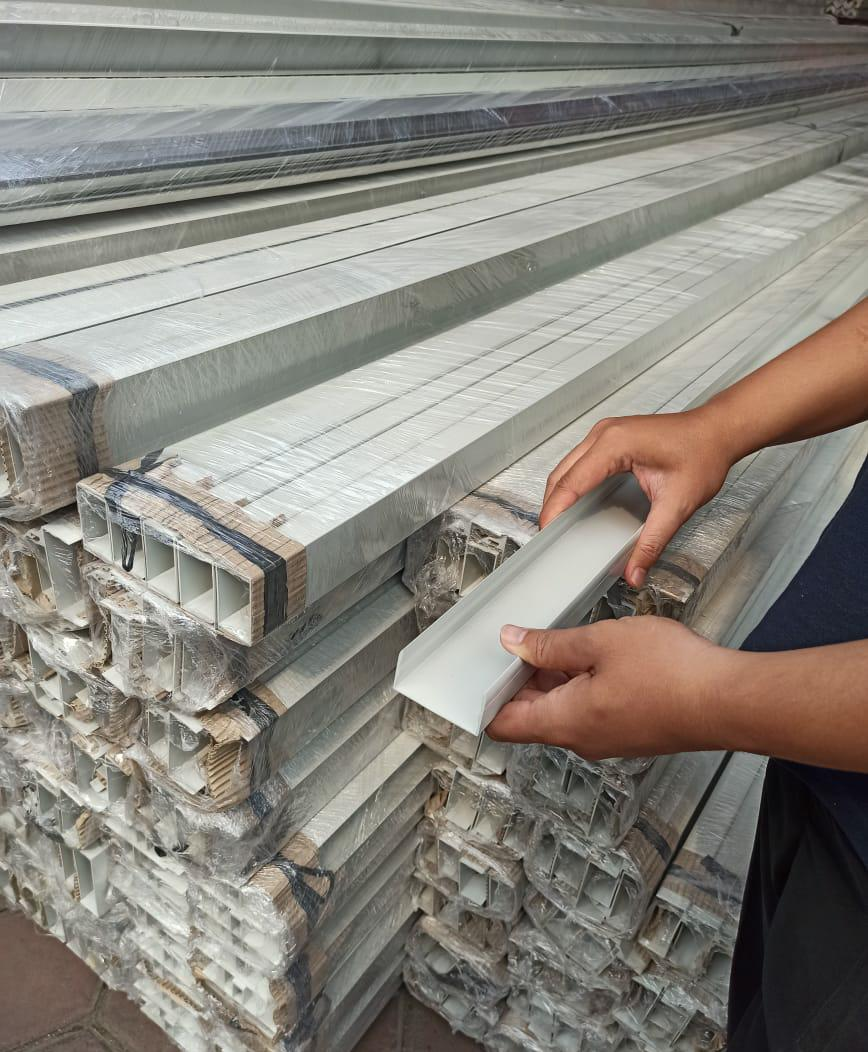
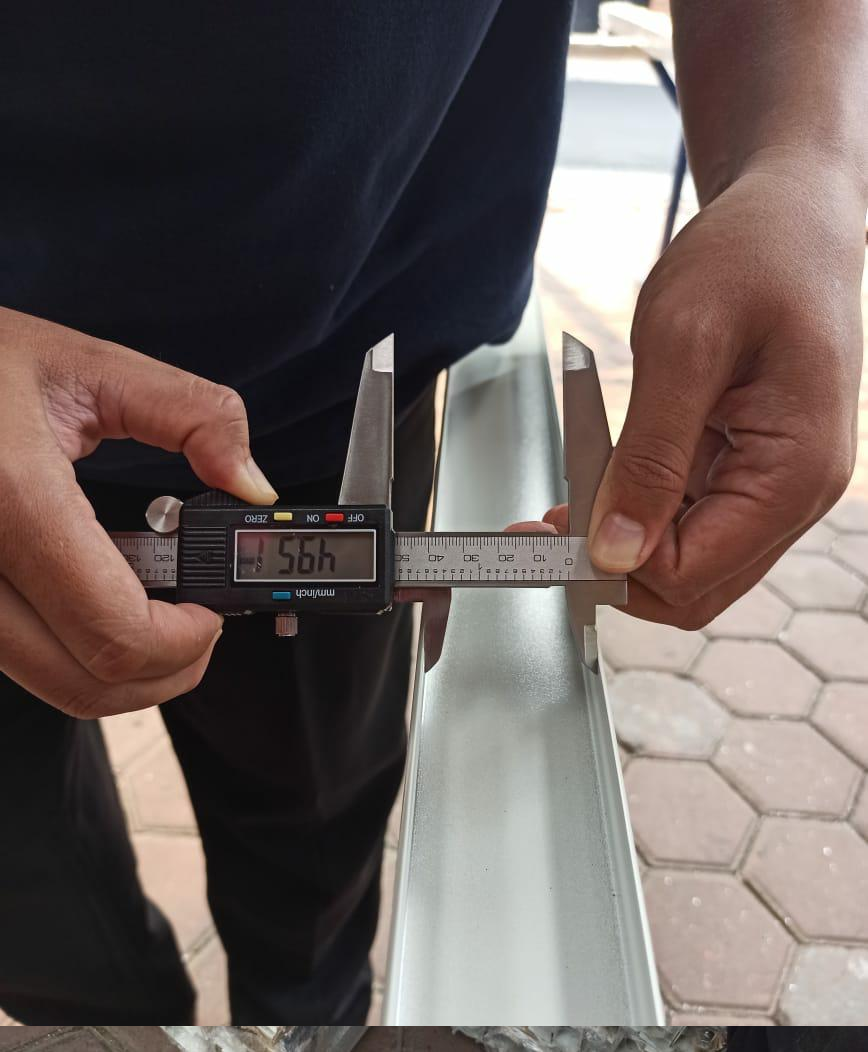
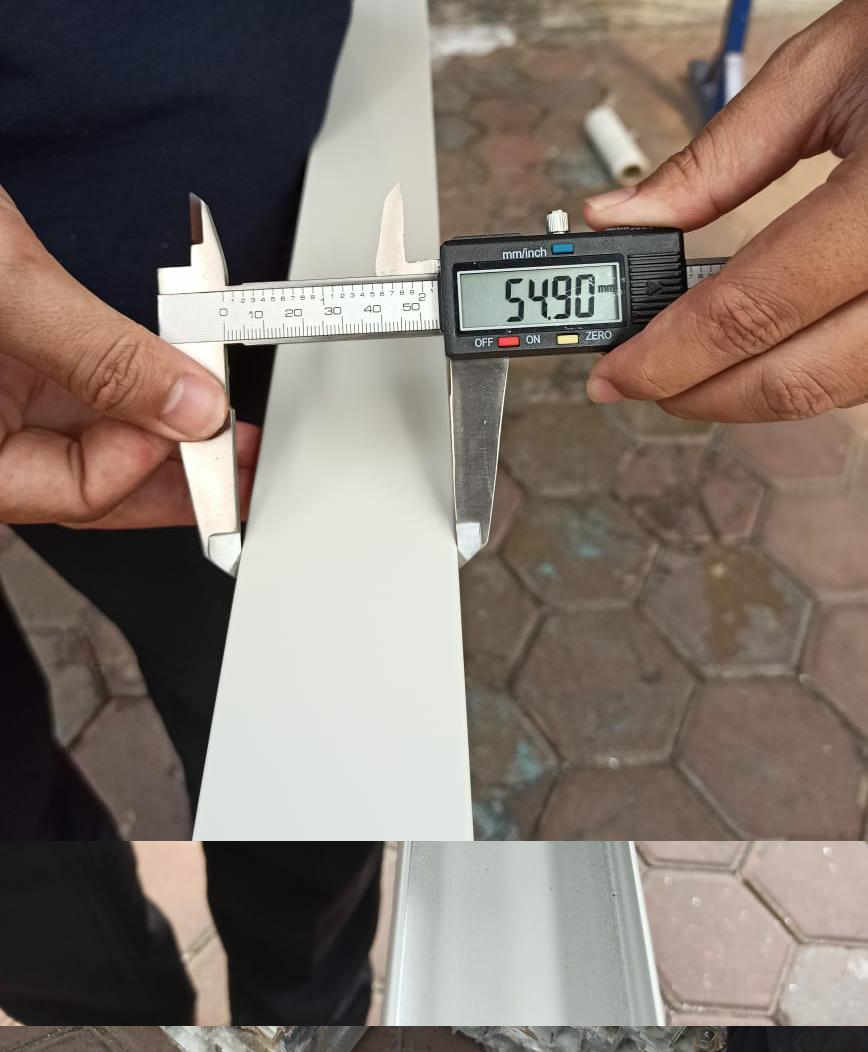
Quality Control (QC) is the final manufacturing stage before packaging and shipment, ensuring that every aluminum extrusion profile meets established quality standards and customer specifications. Our QC team performs comprehensive inspections covering dimensional accuracy, surface finish, mechanical properties, hardness, color consistency, and overall product conformity to verify that every profile fully complies with the required specifications.
Each product undergoes standardized inspection procedures using calibrated measuring and testing equipment to ensure consistent quality, precise dimensions, and production readiness. Every production batch is inspected and documented as part of our quality assurance and traceability system, enabling every stage of the manufacturing process to be verified from raw material to finished product.
Our quality management practices follow internationally recognized industry standards, including ASTM, JIS, and SII, reflecting our commitment to delivering reliable, consistent, and high-quality aluminum extrusion products.
Packaging & Delivery
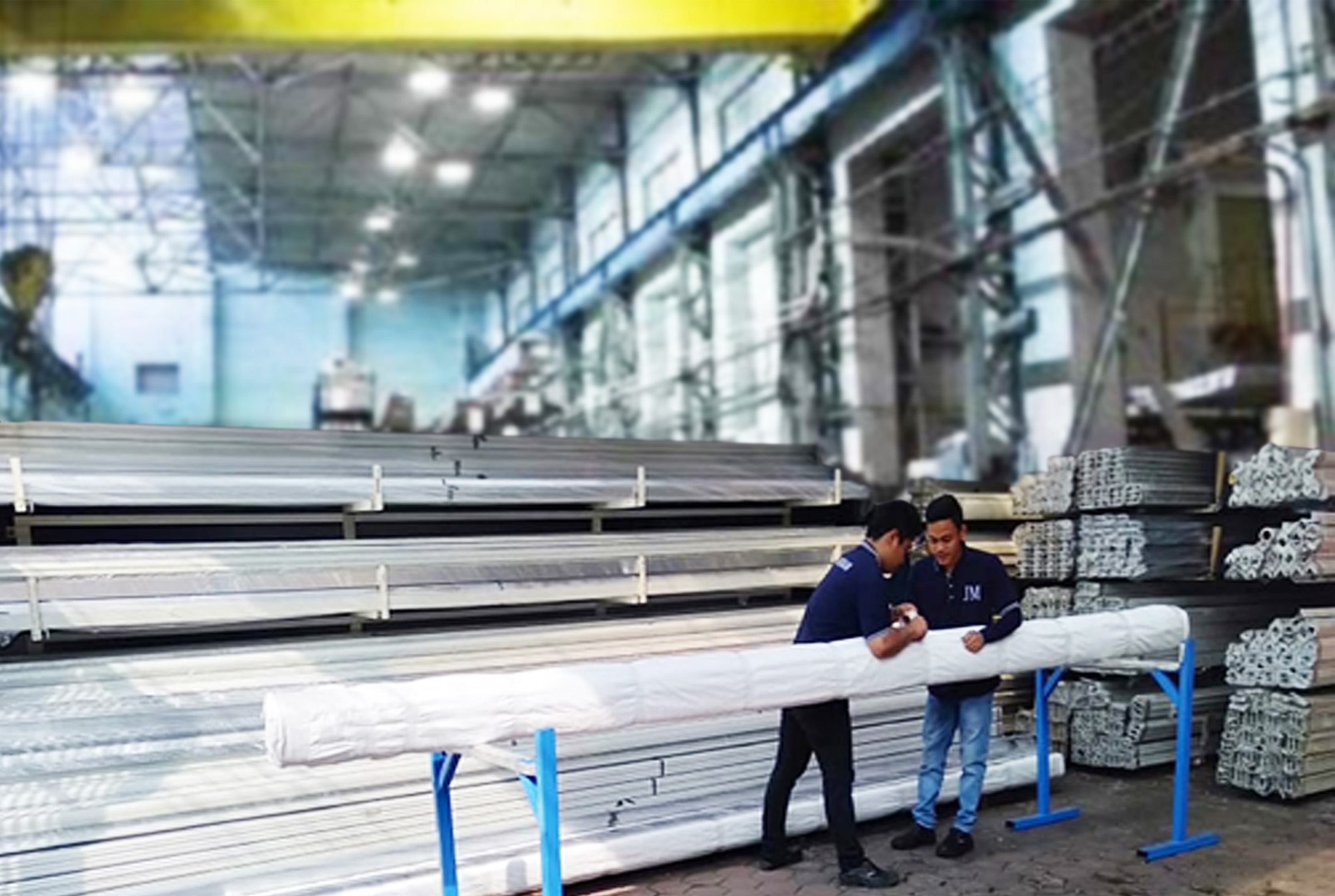
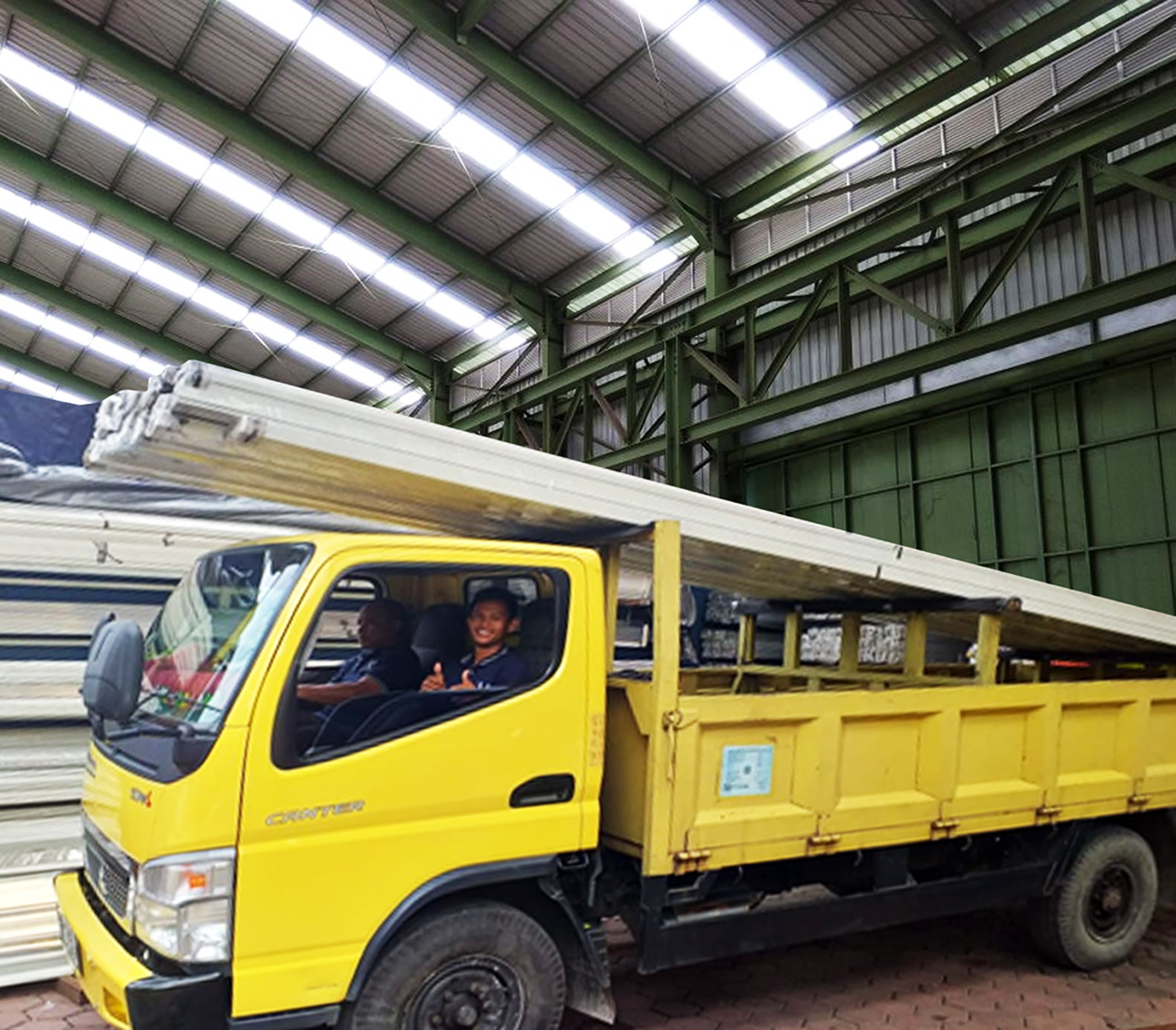
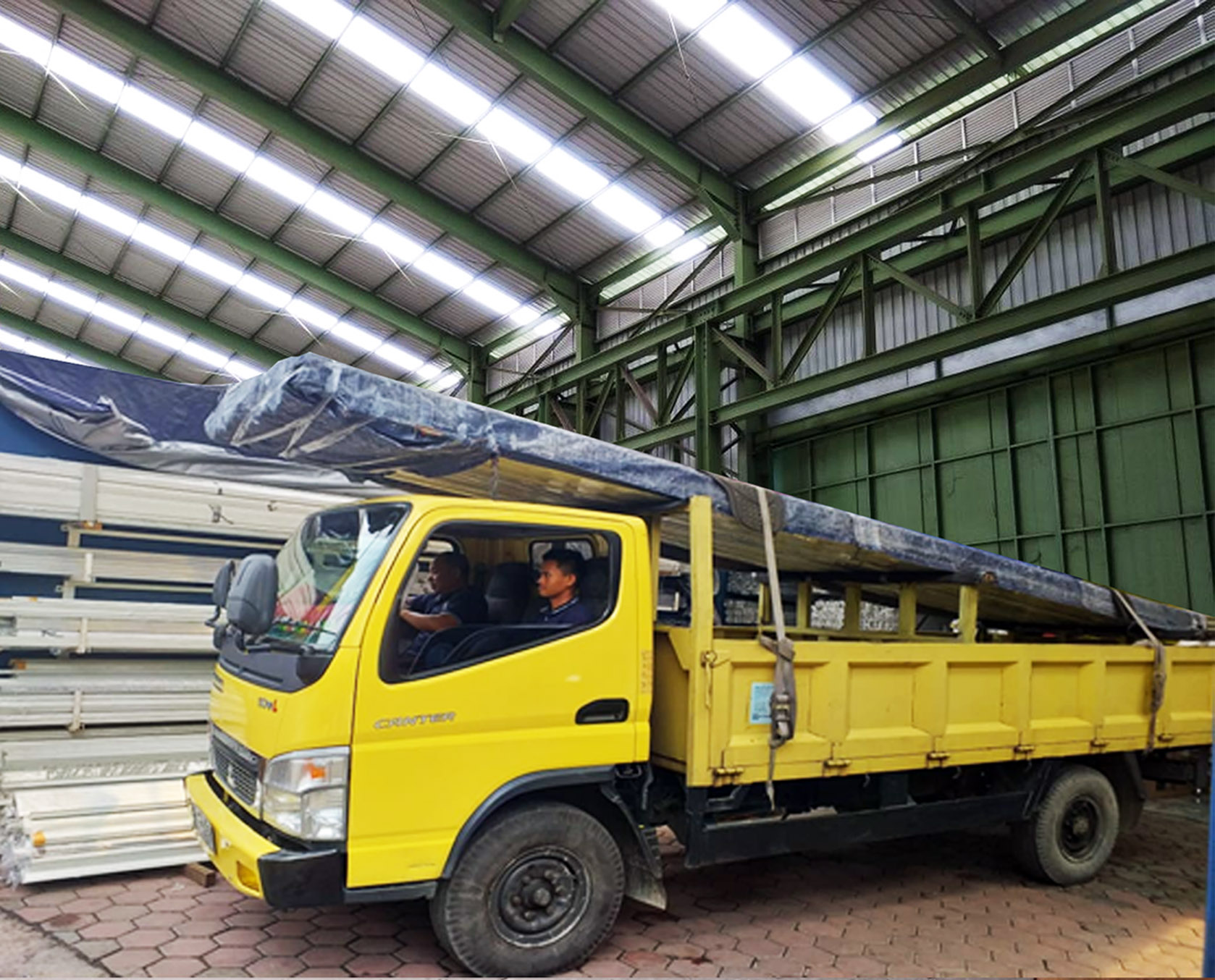
Packaging and delivery represent the final stage of the manufacturing process, ensuring that every aluminum extrusion profile reaches the customer's location safely while maintaining the required quality standards. Packaging methods are selected according to the product type, profile dimensions, shipping destination, and the level of protection required during storage, handling, and transportation.
Available packaging options include:
- Paper-Protected Bundling — Aluminum profiles are securely bundled with protective paper applied at designated contact points to minimize scratches and surface damage during handling.
- Protective Plastic Wrapping — Profiles are wrapped with protective plastic film to provide basic protection against dust, dirt, moisture, and minor handling damage.
- Plastic Wrapping with Woven Plastic Bags — An additional woven polypropylene (PP) outer layer provides enhanced protection during storage, transportation, and distribution.
- Premium Export Packaging — For long-distance and intercity shipments, aluminum profiles are protected using interleaf plastic, corrugated cardboard, bubble wrap, and woven plastic bags. This comprehensive packaging solution minimizes transportation damage and ensures that products arrive at the customer's warehouse in excellent condition.
Every packaging solution is designed to preserve the surface finish of aluminum profiles, minimize the risk of transportation damage, and ensure that products are delivered in optimal condition, ready for installation or immediate use.